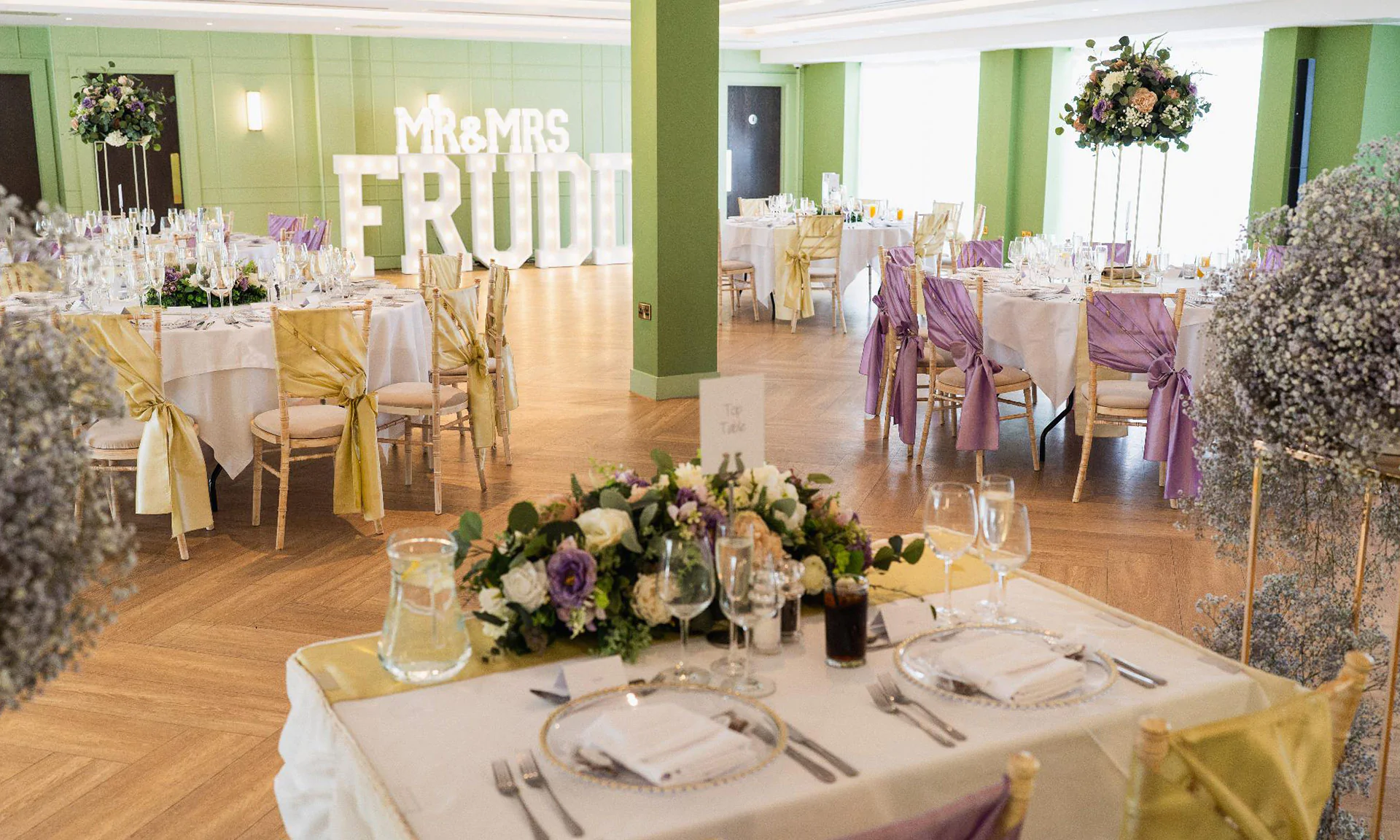

Why Your Event Layout Matters More Than You Think
When planning an event, it’s usually the exciting things that get the most attention—the decor, the flowers, the balloons, the entertainment, and, of course, the food and drink. However, there is another part of event planning that has just as much impact on whether your guests have a brilliant time, even if they don't consciously realise it: the layout.
Where you position the bar, how guests enter the room, where the seating is placed, and even how far the dance floor is from everything else can completely change the atmosphere of an event. Get it right, and everything seems to happen naturally. People mingle, the room feels buzzing without being overcrowded, the dance floor fills, and guests move effortlessly between different areas. Get it wrong, and even the most beautifully decorated venue can feel strangely flat.
At Elizabeth James Events, we think about much more than simply how a space looks. A great event space needs to work for the people who are actually going to use it. Sometimes moving a bar, creating a comfortable seating area, or changing the position of a feature backdrop can make far more difference than adding another layer of decoration.
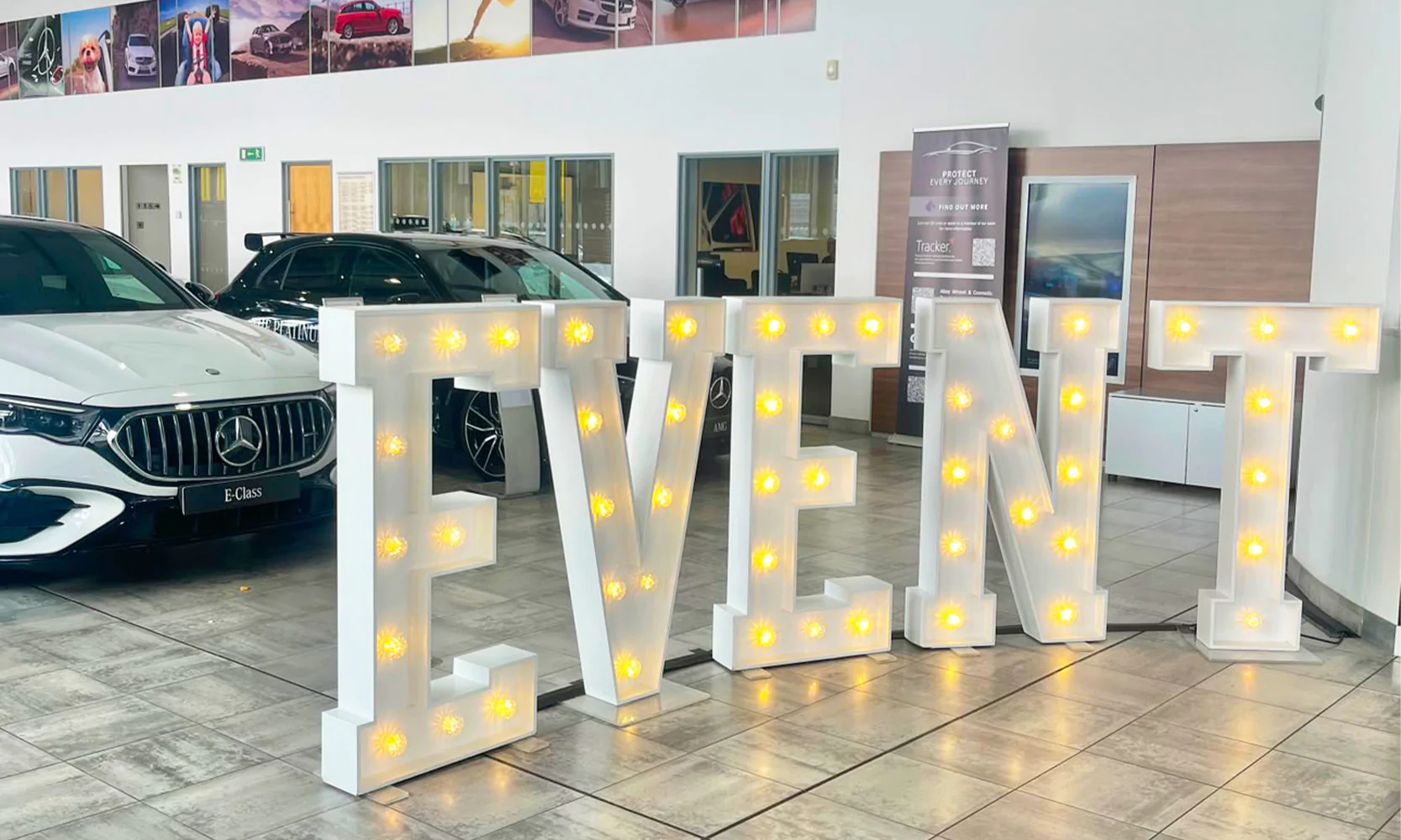
Start at the Front Door
Your guests’ experience begins before they’ve even entered the main room. Think about arriving somewhere unfamiliar: you walk through the door and immediately start looking for clues. Where do I go? Is there a cloakroom? Where is everyone else? Am I supposed to check in? Have I even come through the right entrance? It only takes a few seconds of uncertainty to make an arrival feel awkward.
A well-designed event removes that uncertainty without making it obvious. A beautifully styled welcome sign, a statement balloon or floral installation, warm lighting, or simply a clear route into the room can immediately reassure guests that they’re in the right place. It is also your first opportunity to build excitement. Rather than the event beginning when guests reach their table, make it begin the moment they walk through the door. A great entrance sets the tone for everything that follows.
The Bar Has More Power Than You Think
Never underestimate the gravitational pull of a bar at an event. It is usually one of the first places people head towards and somewhere they will return to throughout the evening, making it an incredibly important part of the floor plan. Put it somewhere isolated and you can accidentally split the party in two - suddenly half your guests are gathered around the bar while everything you actually want them to experience is happening at the opposite end of the venue.
Position it well, however, and the bar becomes a natural social hub. People collect drinks, bump into colleagues or friends, and stay nearby for a chat. Place your seating, entertainment, or the dance floor within that natural flow, and the room immediately starts to feel connected. It’s also why we love making bars look good; if an area is going to attract that many people during an event, it deserves a little attention.
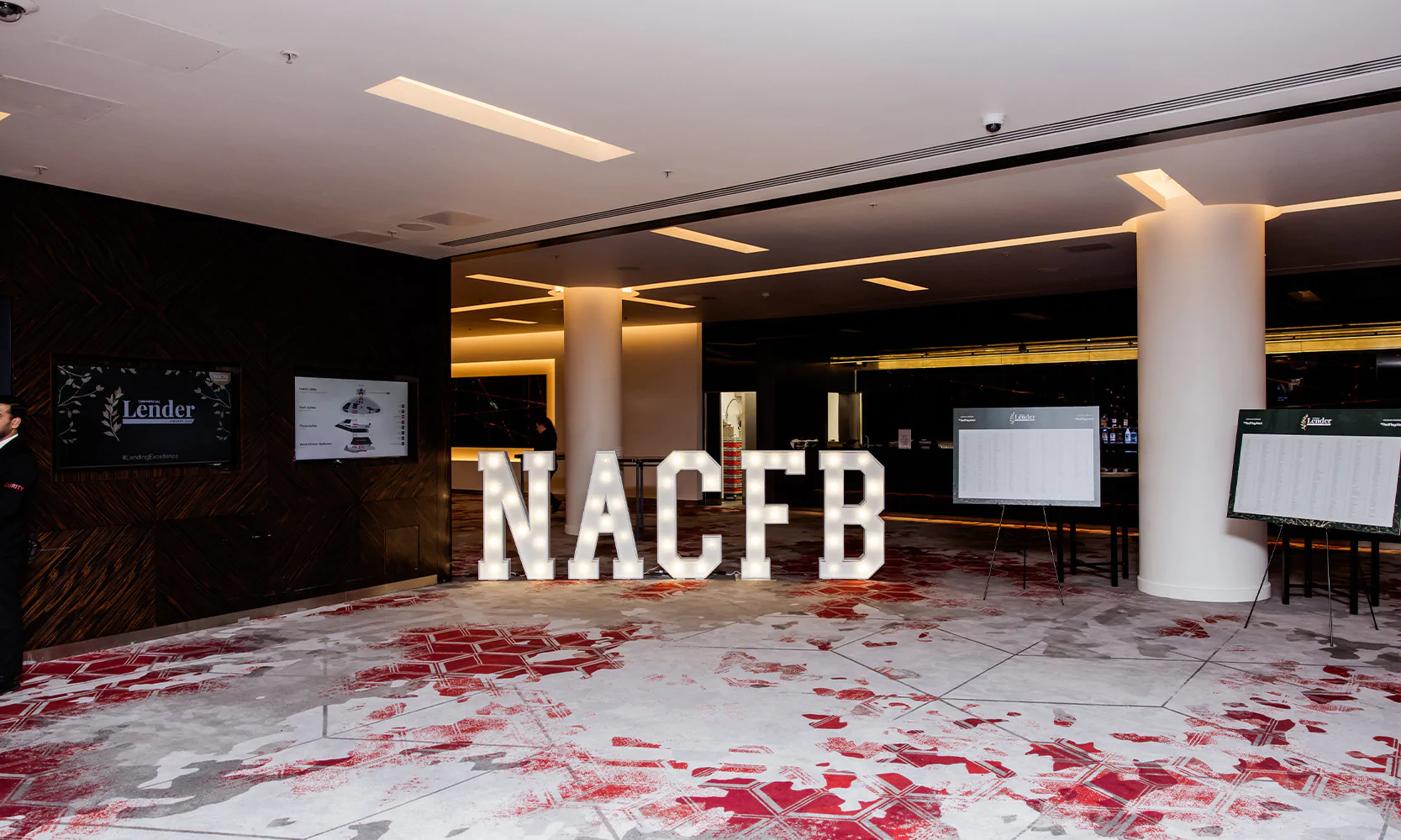
Give Guests Somewhere to Go
One of the secrets to creating a great atmosphere is giving people reasons to move around. Imagine walking into a large room where everything is visible immediately: the tables are in front of you, the bar is against one wall, and the entertainment is at the other end. Once you’ve found your seat, there isn’t much reason to explore.
Now imagine that same space divided into different experiences. There might be a beautifully styled bar in one area, comfortable lounge seating somewhere else, a statement photo installation around the corner, and food being served from another part of the venue. Suddenly, guests are moving - and movement creates interaction. People encounter different guests, discover new elements of the event, and experience the venue gradually rather than seeing everything in the first thirty seconds. It can make even a relatively simple event feel much more immersive.
And Then There’s the Empty Dance Floor...
We’ve all seen it: the DJ starts playing, the dance floor lights come on, everyone knows they’re supposed to dance, and absolutely nobody wants to be first. Sometimes that’s simply because everyone needs another drink first, but surprisingly often, the layout isn’t helping.
If the dance floor is positioned away from the area where people are already socialising, getting onto it suddenly becomes a very public decision. Someone has to leave the safety of the crowd, walk across an empty space, and start dancing alone. Naturally, most people will wait for somebody else to do it.
Instead, create energy around the dance floor before the dancing even begins. Keep the bar, informal seating, or other social areas relatively close so guests are already gathering nearby. Then, when one brave person finally makes their move, everyone else is close enough to follow.
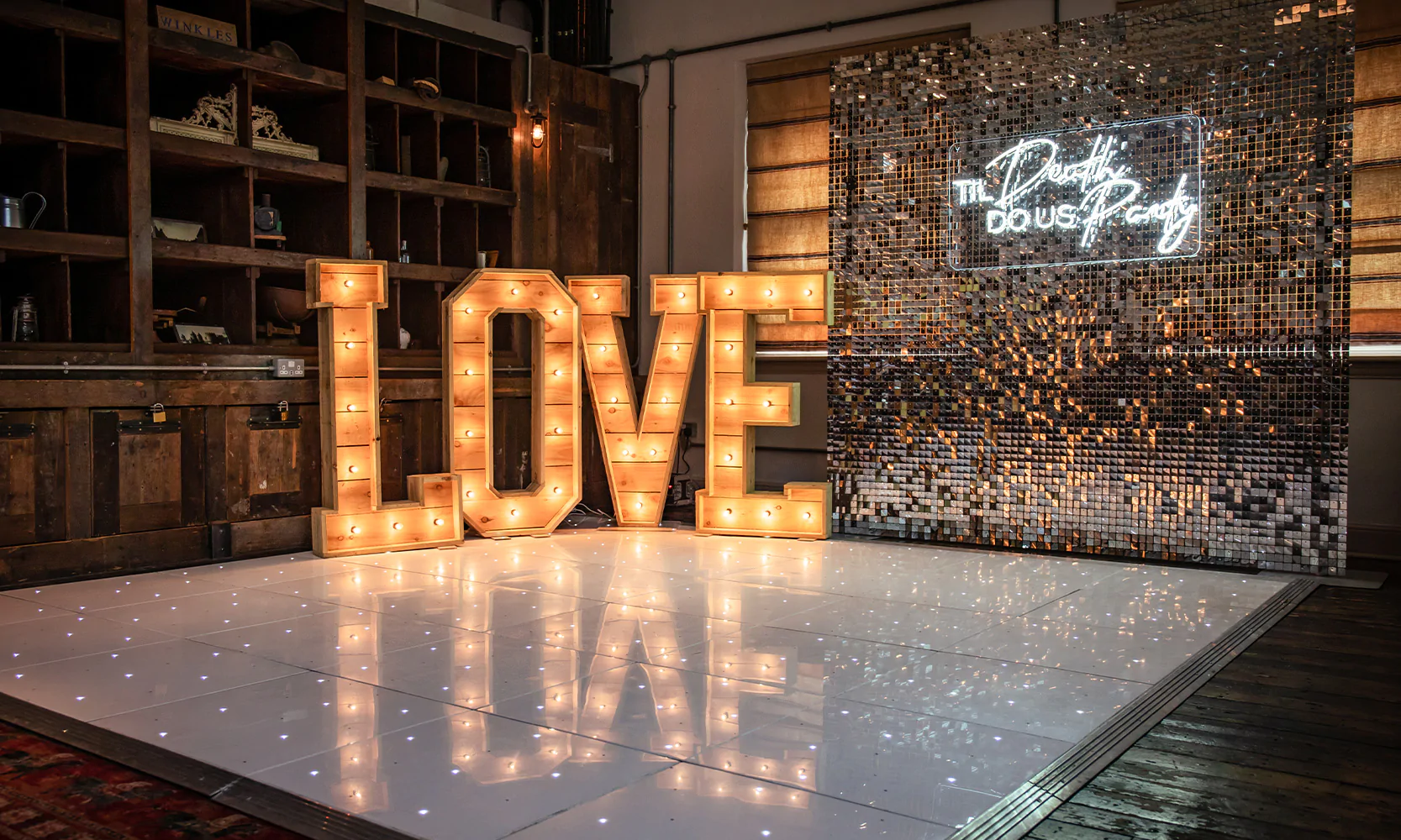
Not Everyone Wants to Dance
It’s also worth remembering that a brilliant party isn’t only about the dance floor. While some guests will happily dance for four hours, others would much rather find somewhere comfortable, have a drink, and catch up with people they haven’t seen for months. Both should be able to enjoy the event.
Creating relaxed seating areas away from the loudest part of the venue can make an enormous difference. Sofas, armchairs, and occasional tables give people somewhere to settle without removing them completely from the party atmosphere. This is particularly important at corporate events, where the most valuable conversation of the evening might not happen during the official networking session, but at 9pm over a drink on a sofa. Giving people different ways to enjoy an event makes the whole experience more inclusive.
Think About Where People Will Naturally Gather
Good event layout is partly about predicting human behaviour. Put a bar somewhere and people will gather around it. Create a great photo backdrop and there will probably be a queue. Open a food station and suddenly everyone decides they’re hungry at the exact same time.
Those things aren't problems - unless they're all happening in the same square metre. If your photo installation is beside the bar, which is also right next to the entrance to the toilets, you could end up with an enormous bottleneck in one corner while everywhere else feels empty. Spacing those key features around the venue spreads guests out more naturally and keeps everything flowing. It sounds like a tiny detail, but it has a huge impact on how relaxed an event feels.
Your Decor Can Do Some of the Work
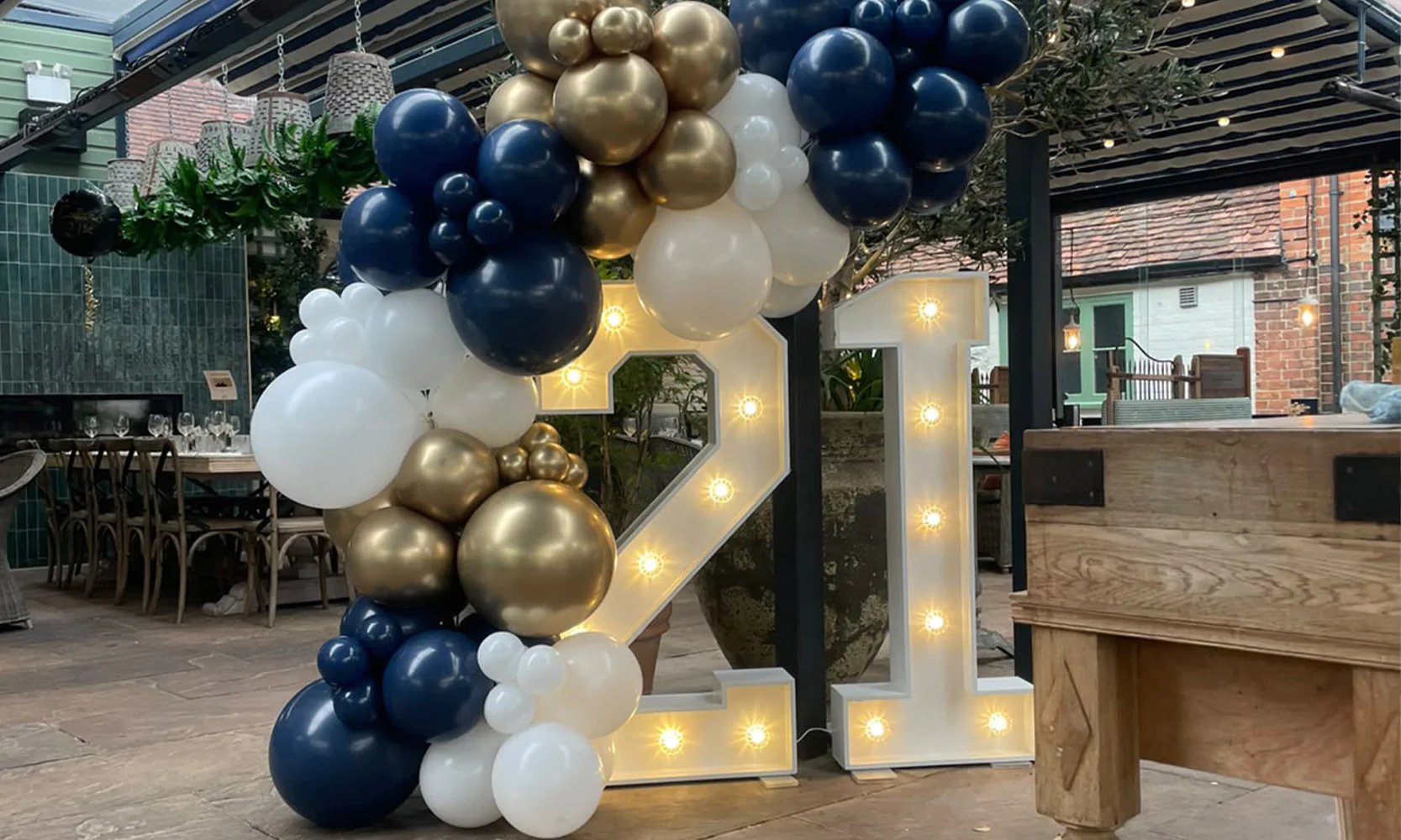
This is where styling and practical event planning come together beautifully. Decor doesn't only have to make a venue look better; it can subtly guide people through it. A statement balloon installation immediately draws attention to an entrance or photo area, while lighting can highlight the part of a room you want guests to notice. Furniture can create natural walkways without anyone needing to put up barriers, and florals can frame a stage or draw the eye towards a particular feature.
Guests don't consciously think, "That installation is directing me towards the drinks reception." They just go there. When event design works really well, it feels completely instinctive.
Sometimes Less Space Creates More Atmosphere
There is often an assumption that a bigger venue automatically means a better event, but that isn't necessarily true. Put 100 guests in a venue designed for 500 and your successful event can suddenly look poorly attended. People become scattered, conversations feel disconnected, and it can be difficult to build any real atmosphere.
A smaller, carefully designed space often feels far more exciting. And if you have fallen in love with a large venue, you don't need to fill every inch of it. Lighting, furniture, draping, and decorative installations can all be used to create smaller zones that bring guests closer together. The aim isn't to cram people in - it's to find that sweet spot where there is enough room to feel comfortable, yet enough proximity to create energy.
Let the Space Change as the Event Does
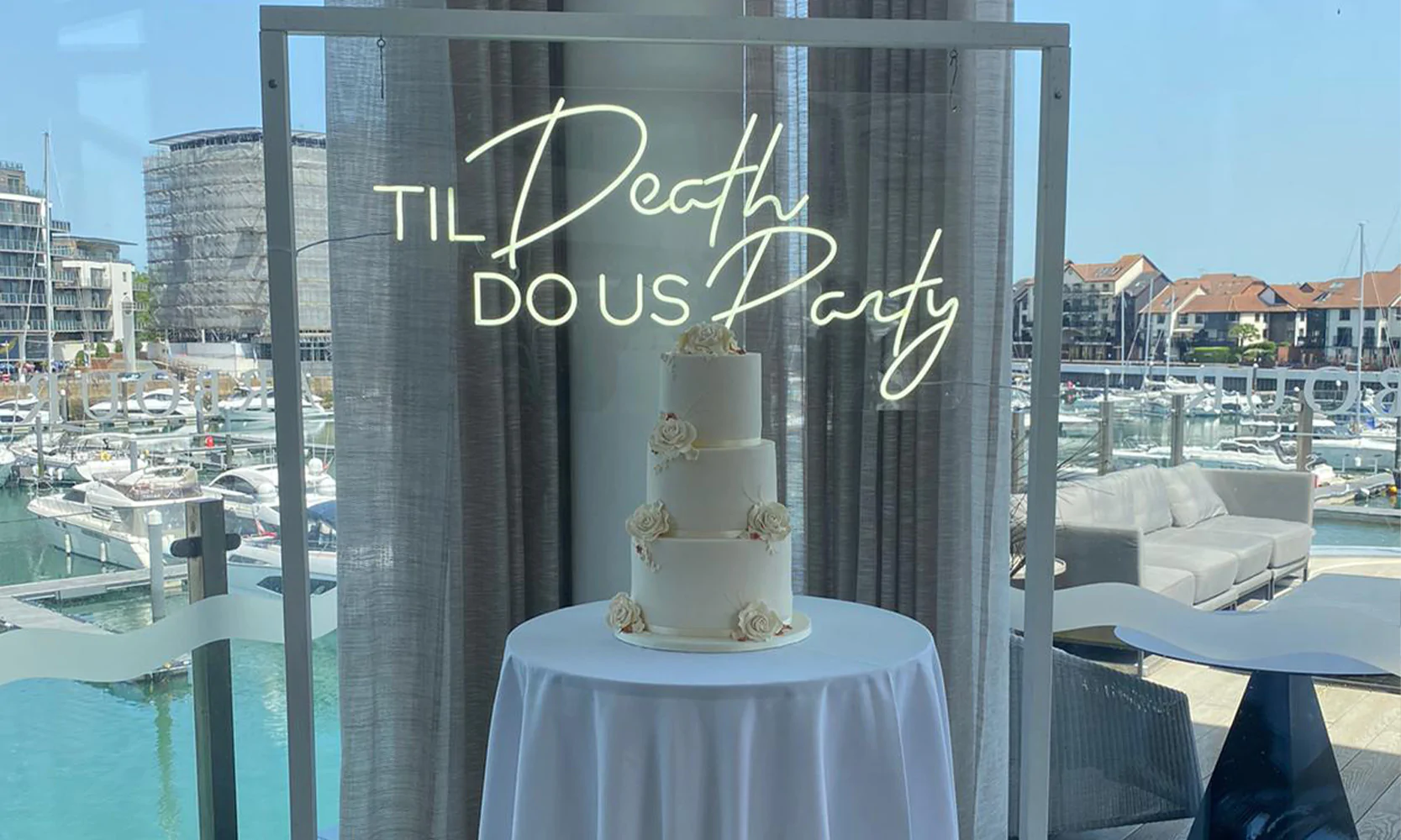
One of our favourite things about good event design is that a room doesn't have to remain the same all day. Allowing it to evolve can make an event feel much more dynamic. A daytime conference space can transform into an evening party, and a backdrop used for presentations can later become a photo area. Doors can open to reveal another room, lighting can shift in tone, and furniture can be reconfigured as a formal drinks reception gradually becomes a relaxed celebration.
That transition gives guests the feeling that they're moving into the next chapter of the event, which is particularly effective when you're using the same venue for several different parts of the day.
Design the Event Around People
Ultimately, the best layouts don't begin with furniture - they begin with people. Before deciding where everything should go, imagine yourself walking through the event as a guest:
- When you arrive, what do you see first, and where do you naturally walk?
- Where do you get a drink, and where do you stop to talk?
- If you want to sit down, where do you go?
- When the entertainment starts, can you see it clearly?
- When the music gets louder, can you still find somewhere comfortable to have a conversation?
Those questions are far more useful than simply working out how many tables will fit into a room. Guests probably won't leave saying, "What an excellent floor plan." Instead, they'll say the atmosphere was fantastic, that everything seemed really well organised, that it was easy to meet people, and that they had a brilliant night. And that's exactly how it should be.
At Elizabeth James Events, we believe beautiful event design should do more than look good in photographs. From statement balloon installations and styled entrances to social spaces, backdrops, and decor, every element should contribute to an event that feels effortless to experience. Because sometimes the difference between a good event and a brilliant one isn't what you put into the room - it's where you put it.